
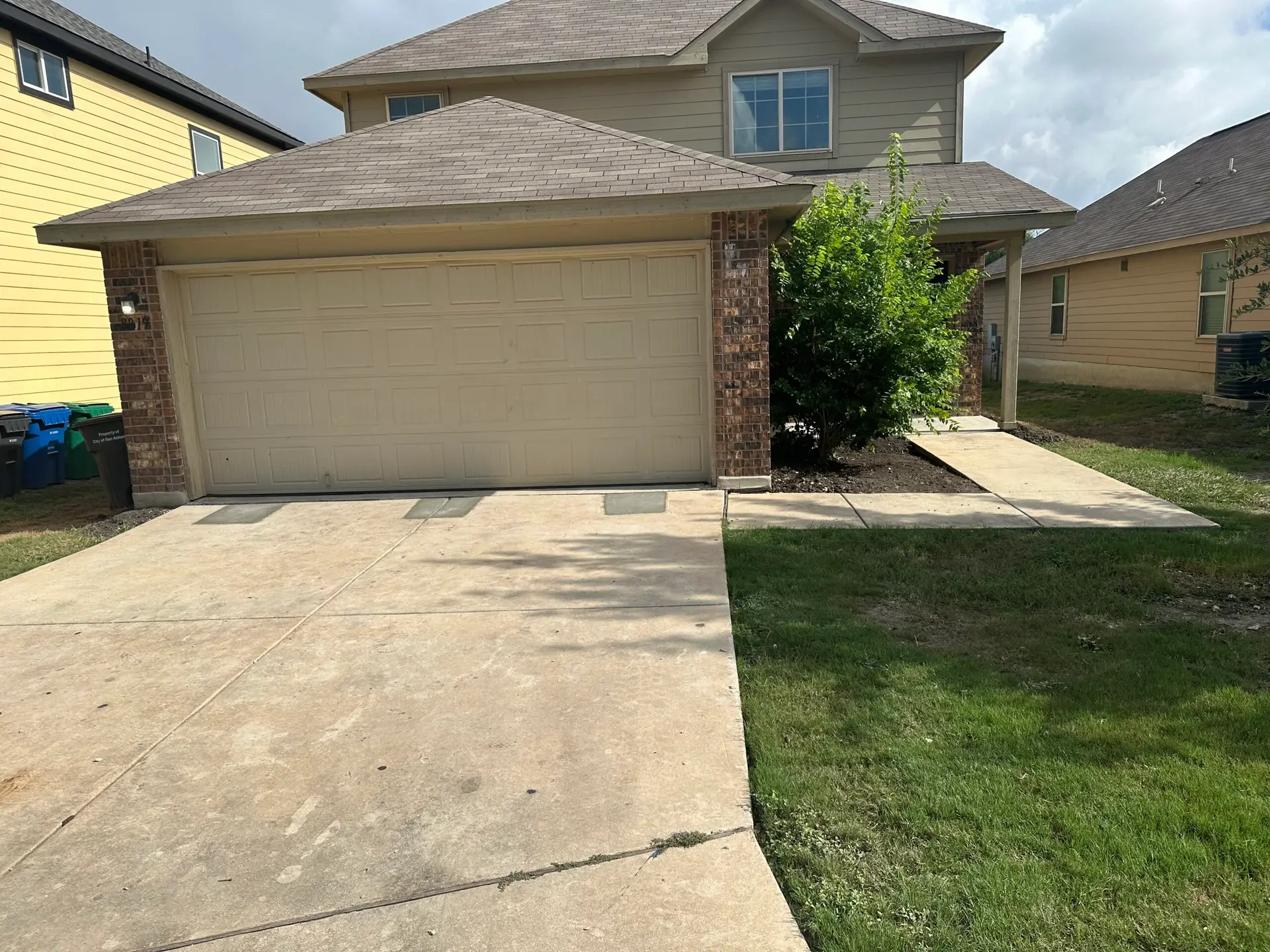
Drought can contribute to foundation concerns where moisture-sensitive clay supports a home. The soil at an individual property still needs to be considered: a change during dry weather does not, by itself, prove that a foundation needs structural repair.
What happens to expansive clay?
The USDA Natural Resources Conservation Service explains that clay-rich Vertisols change volume as moisture changes. They contract as they dry and expand as they become wetter. That soil behavior is one reason moisture conditions deserve attention when evaluating movement around a home.
Not every lot has the same soil profile, foundation system, landscaping, or drainage. Two neighboring houses can therefore need different evaluations and different responses.
What should you document during dry weather?
Keep a simple record of symptoms instead of relying on memory. Photograph a crack from the same position, record the date, and note whether a door begins sticking or an existing gap changes. Include a ruler in a photo when practical. Keep notes about recent irrigation adjustments, plumbing work, and drainage changes.
Look for patterns, but avoid treating a seasonal pattern as a diagnosis. The question is not simply whether the weather was dry. It is whether the observed condition, the structure, and the site evidence point to a particular cause.
Should you water the foundation?
There is no responsible universal watering schedule for every San Antonio property. Soil, landscaping, existing moisture, irrigation, and local watering restrictions vary. Ask for a property-specific recommendation before adding substantial water around the building. Avoid trying to force a visible gap closed by flooding the soil.
If you already have a watering or maintenance plan from a qualified professional, review it with that provider when conditions change. Follow current local water-use rules.
Will rain fix the problem?
A change after rainfall does not establish that a structural concern has been resolved. Likewise, a symptom that persists does not identify the repair method on its own. Ask whether monitoring, drainage work, further investigation, or a repair plan is appropriate for your home.
When to arrange an evaluation
Schedule a visit if symptoms are new, appear to be progressing, or leave you uncertain about your next step. Bring your photographs and history. Those records can make the conversation more useful than a single picture taken without context.
Get guidance for your home
Learn about our foundation repair services or request a free homeowner inspection. X-Treme Steel Foundation Repair serves San Antonio and surrounding communities. Call (210) 864-9911.
Further reading: USDA NRCS: Vertisols. This article provides general education; the condition of a particular home requires an evaluation.